
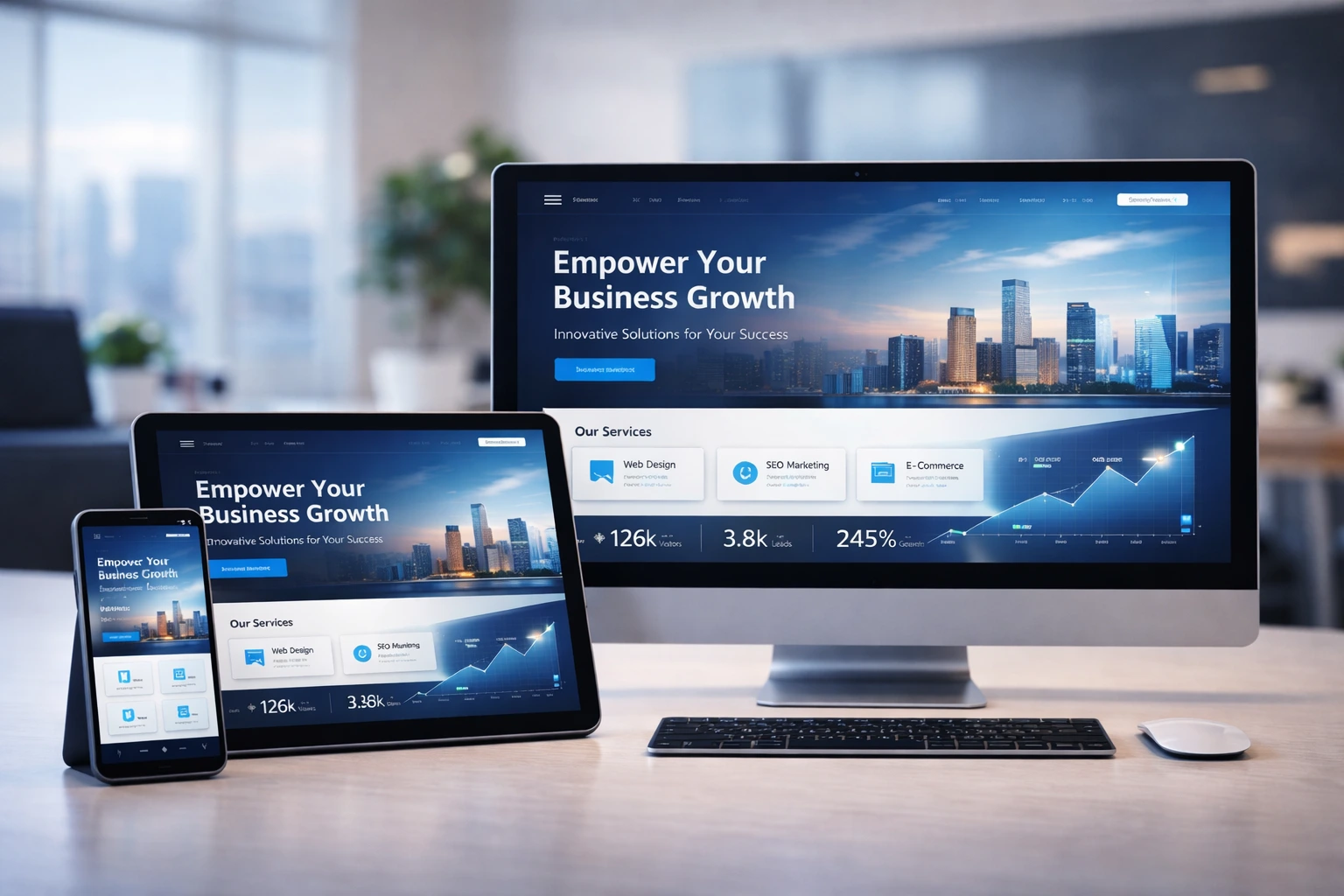
In 2026, a website is often the first place people interact with a business. Before making a call, sending an email, or visiting a store, most users search online, browse a website, and form an opinion within seconds. That first experience shapes how they see the brand and whether they choose to continue or move on.
This shift in user behavior is one of the main reasons why web design is important today. A website is no longer just a digital brochure. It has become a core part of how businesses attract attention, build trust, and generate revenue.
People expect websites to be fast, easy to use, visually clear, and reliable across all devices. When those expectations are not met, visitors leave. When they are met, users stay longer, engage more, and are more likely to take action.
Understanding the role of modern web design helps businesses make better decisions about how they present themselves online and how they compete in an increasingly crowded digital space.
How the Purpose of Websites Has Changed
Not long ago, having a website simply meant having an online presence. A few pages explaining services and listing contact details were enough. Today, that approach no longer works.
Modern websites are expected to guide users, answer questions, and support decision making. They are part of the sales process, the marketing strategy, and the customer experience. This change explains why web design is important beyond appearance.
A well designed website helps visitors understand what a business offers, why it matters, and how to move forward. It reduces confusion and builds confidence without requiring direct human interaction.
As competition increases across nearly every industry, websites that feel outdated or difficult to use struggle to hold attention. Users quickly compare options and choose businesses that feel professional and trustworthy from the start.
How Users Experience Websites in 2026
People browse the internet differently than they did even a few years ago. They move quickly, switch between devices, and expect instant clarity.
When someone lands on a website today, they want to immediately understand what the business does and whether it is relevant to them. They do not want to search for basic information or struggle with navigation.
Design plays a key role in shaping this experience. Layout, spacing, typography, and visual balance all influence how comfortable a website feels to use. A clean and organized design makes content easier to read and understand. A cluttered layout creates frustration and uncertainty.
Speed is another critical factor. Slow loading pages push users away before they engage with content. Smooth performance, responsive layouts, and intuitive navigation are no longer optional features.
These expectations highlight why web design is important in 2026. Websites must support users rather than challenge them.
The Relationship Between Design and Trust
Trust is built quickly online, and it is lost just as fast.
A website often serves as proof that a business is legitimate, active, and reliable. When a site looks professional and functions smoothly, users are more likely to believe in the quality of the service or product being offered.
Visual consistency, thoughtful use of color, readable text, and logical structure all contribute to a sense of stability. Even small design details influence how a brand is perceived.
On the other hand, broken layouts, outdated visuals, or confusing interfaces raise doubts. Visitors may question whether the business is still operating or whether it can be trusted with personal information.
This emotional response is one of the strongest reasons why web design is important. Design communicates values before words do.
Why Mobile Experience Matters More Than Ever
In 2026, people access websites from a wide range of devices. Phones, tablets, laptops, and large screens are all part of the same user journey.
A website must adapt to different screen sizes without losing clarity or functionality. Text should remain readable, images should scale properly, and navigation should feel natural regardless of the device being used.
Responsive design ensures that users receive a consistent experience wherever they browse. It also supports accessibility and usability for a wider audience.
Businesses that work with a responsive web design company benefit from this adaptability. They avoid losing potential customers simply because a site does not function well on mobile devices.
Since search engines now prioritize mobile usability, responsiveness also plays a role in visibility. This connection further explains why web design is important for both user experience and online reach.
How Web Design Supports Lead Generation
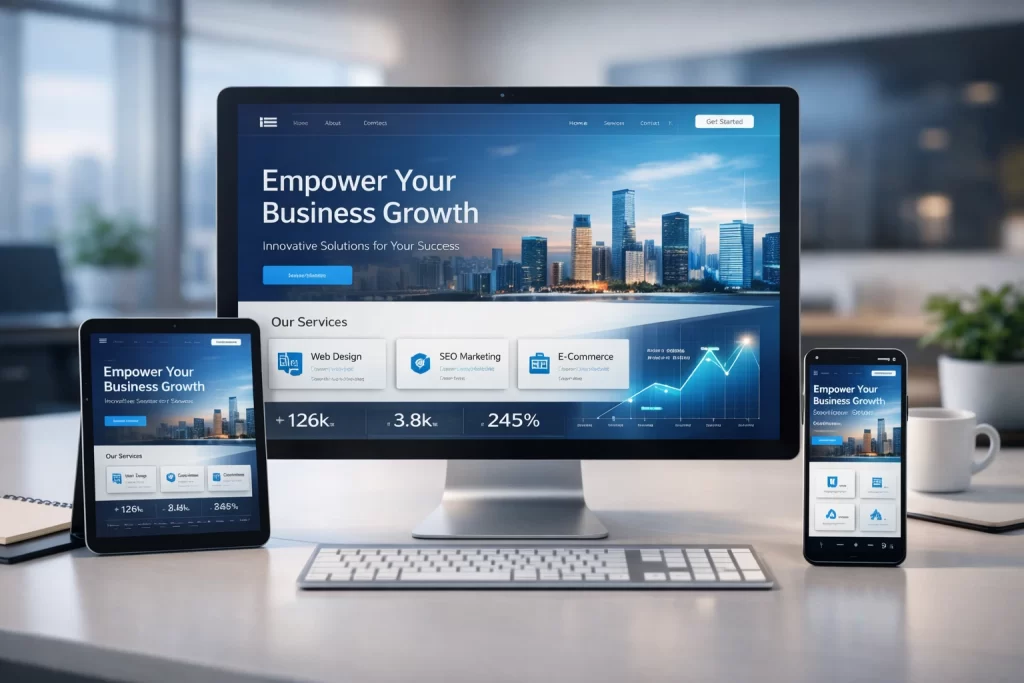
A website’s design influences how easily visitors can take the next step.
Lead generation depends on clarity and guidance. Users need to understand what action to take and why it benefits them. Good design makes this process feel natural rather than forced.
Clear headings help visitors scan information quickly. Logical page flow keeps them engaged. Well placed calls to action encourage interaction without pressure.
Forms that are easy to use and visually approachable increase the likelihood of completion. Trust elements such as testimonials or client logos help reduce hesitation.
When design removes friction, visitors are more willing to share information or start a conversation. This practical impact shows why web design is important for businesses focused on growth.
The Influence of Design on Sales
Sales often begin long before a customer makes contact.
A website introduces a brand, explains value, and addresses concerns. If this process feels smooth and reassuring, users are more likely to move forward.
Design helps present information in a way that supports decision making. Well structured service pages make offerings easier to understand. Visual hierarchy helps highlight key benefits. Simple navigation allows users to explore without confusion.
When a website feels reliable and easy to use, it lowers the barrier to purchase. In competitive markets, this experience can be the deciding factor.
This connection between usability and conversion is another reason why web design is important in modern business strategy.
Why Design and SEO Are Closely Connected
Search engines aim to deliver results that provide the best experience for users. This focus has brought design and SEO closer together than ever before.
An SEO friendly web design considers how content is structured, how pages load, and how users interact with the site. These factors influence how search engines evaluate quality and relevance.
Well organized pages make it easier for search engines to understand content. Fast loading speeds reduce bounce rates. Mobile friendly layouts support indexing and ranking.
When design supports usability, users stay longer and engage more deeply. These signals help improve search performance over time.
This alignment explains why web design is important for visibility as well as usability.
How SEO Friendly Web Design Helps Improve Rankings
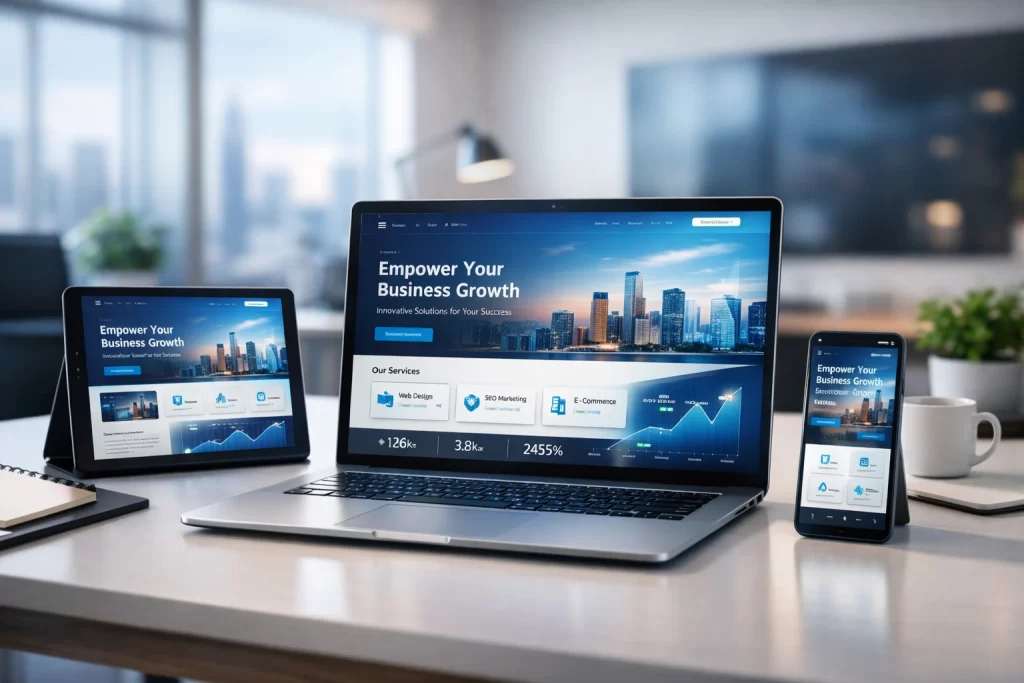
SEO friendly web design focuses on long term performance rather than quick wins.
Clean site architecture helps search engines crawl pages efficiently. Logical navigation improves internal linking. Optimized images and code support faster load times.
User experience also plays a role in rankings. When visitors interact positively with a site, search engines recognize that the content is valuable.
Design that supports readability and accessibility encourages users to spend more time on a site. This behavior sends strong signals of quality.
By combining technical structure with thoughtful presentation, businesses create websites that perform well both for users and search engines.
The Importance of Planning and Structure
Effective websites are built with intention.
Professional web design and construction involves understanding goals, audience needs, and future growth plans. It is not just about how a site looks today, but how it will function over time.
Good structure makes updates easier and supports scalability. It allows content to expand without creating confusion. It also helps maintain performance as new features are added.
Without proper planning, websites often become difficult to manage and slow to adapt. This limitation affects marketing efforts and user experience.
Strategic construction ensures that design remains flexible and sustainable.
Common Web Design Issues That Hold Businesses Back
Many websites struggle because they focus on visuals without considering function.
Overcrowded layouts overwhelm users. Poor navigation hides important information. Heavy media slows performance. Ignoring mobile users limits reach.
Separating design from SEO is another common mistake. When structure and usability are overlooked, even strong content may fail to perform well in search results.
Addressing these issues requires a balanced approach that considers both appearance and purpose.
Choosing the Right Design Partner
Not all web designers approach projects with the same focus. Selecting the right team can make the difference between a website that simply exists and one that truly drives growth.
A reliable Custom Website Development Company takes the time to understand your business goals, target audience, and user behavior. They prioritize usability, performance, and clarity over following short-lived design trends, ensuring that your website provides both a great user experience and measurable results.
Equally important is experience in SEO friendly web design. When design and optimization work together, your website is better positioned to rank higher in search results, attract organic traffic, and deliver long-term value.
At SRH Web Agency, we specialize in creating websites that combine professional design, responsive layouts, and strong SEO foundations. Our approach treats web design and construction as an ongoing process, helping businesses adapt as their needs evolve.
Why Web Design Is Important for Long Term Growth
Websites play a central role in how businesses communicate and compete.
They influence how brands are perceived, how users engage, and how effectively opportunities are captured. When design supports clarity and trust, it strengthens every other digital effort.
In 2026, successful businesses treat web design as a strategic investment rather than a one time task. They view their websites as evolving platforms that support growth.
This mindset reflects why web design is important not just today, but for the future.
Moving Forward With the Right Approach
If a website feels outdated, slow, or ineffective, it may be limiting a business’s potential.
A modern website should be clear, reliable, and easy to use. It should support visibility, engagement, and conversion. It should reflect the quality of the business behind it.
For those looking to improve their online presence through thoughtful design, responsive layouts, and SEO friendly structure, working with an experienced agency can make a meaningful difference.
If you are considering a new website or an upgrade that focuses on performance and usability, you can explore solutions with SRH Web Agency. A well planned website can become one of the most valuable tools a business owns.
