
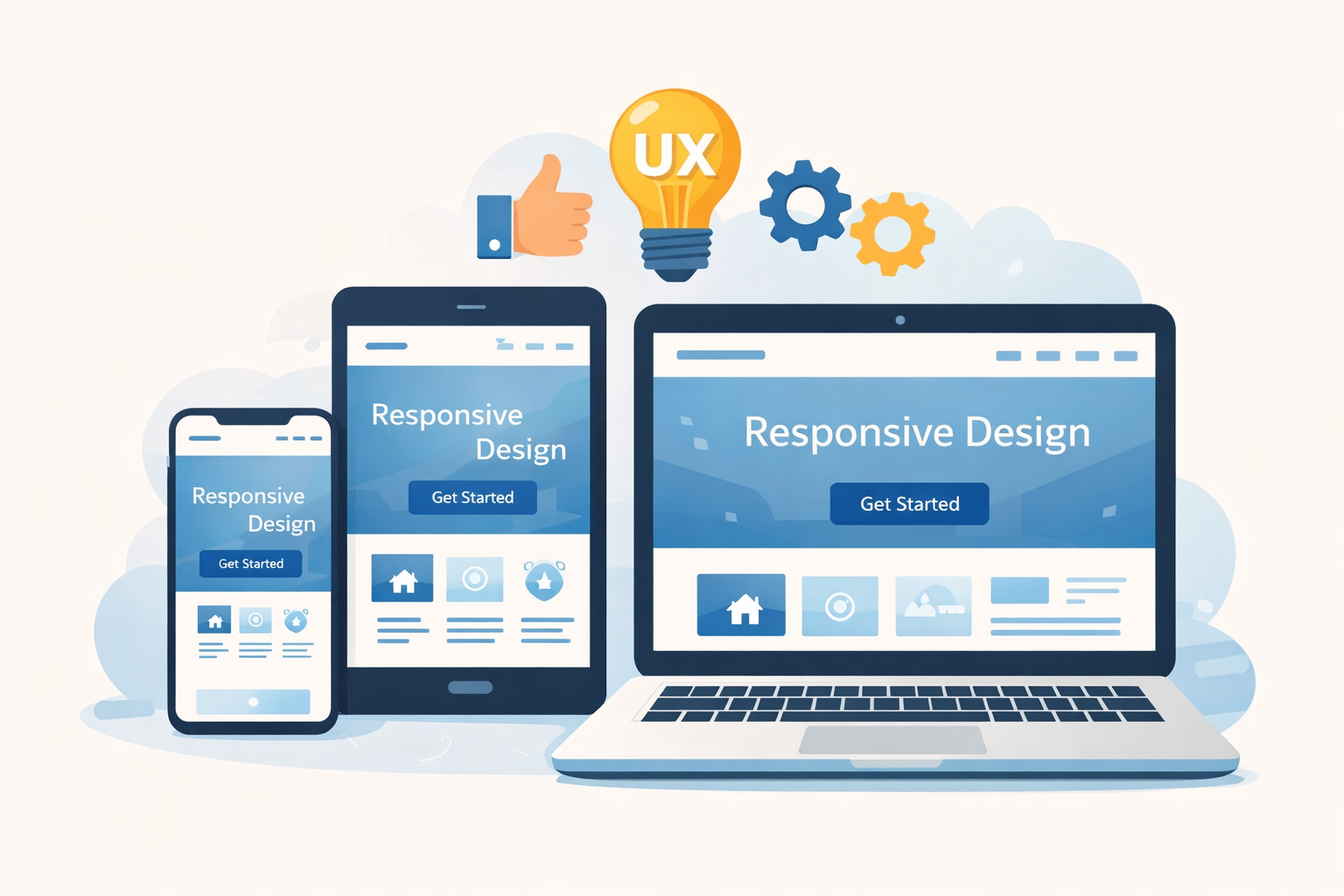
A website cannot stay exactly the same forever. Digital trends shift, technology improves, and user expectations continuously evolve. If your site remains stagnant, it risks falling behind competitors who actively update their online presence.
Updating your site’s design, performance, and overall user experience is crucial for keeping your business relevant. A fresh look builds trust with potential customers. Fast loading speeds keep visitors engaged. Smooth navigation helps people find exactly what they need without frustration.
Even knowing all these benefits, many businesses still struggle to figure out exactly when to redesign your website. It can be tough to tell the difference between needing a few minor tweaks and requiring a complete structural overhaul.
This guide will walk you through the entire process. We will cover the major signs that indicate a redesign is necessary, the core reasons why you should take the leap, and exactly how often websites should undergo a full redesign to stay competitive.
Why Do a Website Redesign?
Businesses decide to rebuild their websites for several major reasons. A redesign goes far beyond just making things look pretty. It actively improves how the site functions for both the user and the business owner.
Improve User Experience
A seamless user experience keeps visitors on your page longer. Modern navigation menus help people move through your site intuitively. A better layout and structure naturally guide the eye to your most important information. Ultimately, an easier customer journey leads to happier visitors and higher sales.
Make Your Website Mobile Friendly
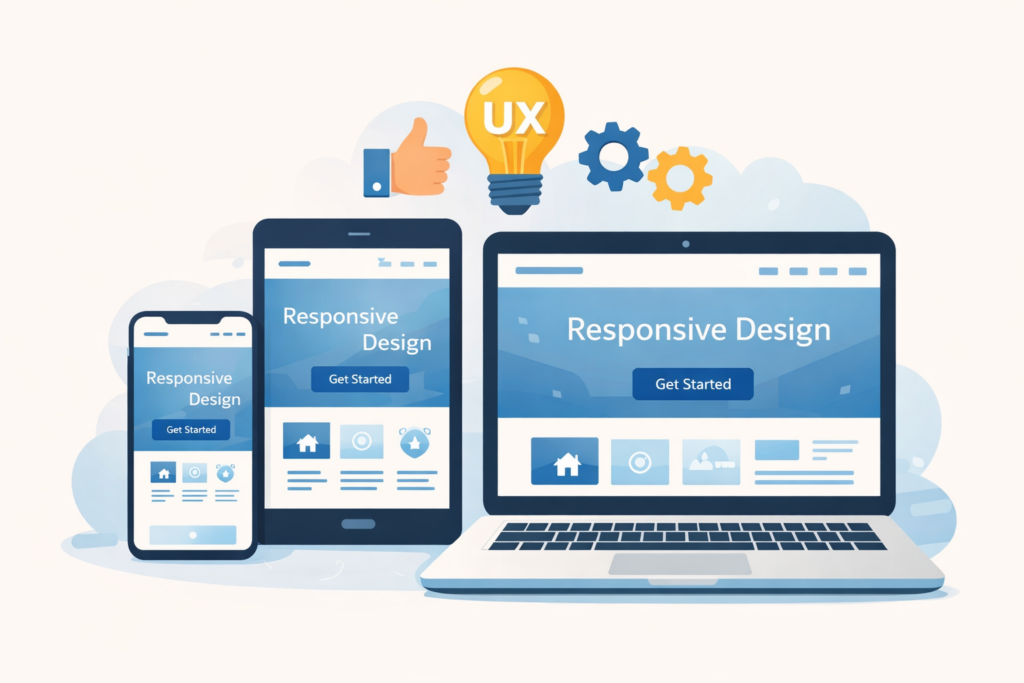
People use their phones to browse the internet now more than ever. A responsive design ensures your site looks great on screens of all sizes. Search engines also heavily favor mobile-first browsing trends. If your site does not work well on a phone, you will lose a massive portion of your audience.
Improve Website Speed and Performance
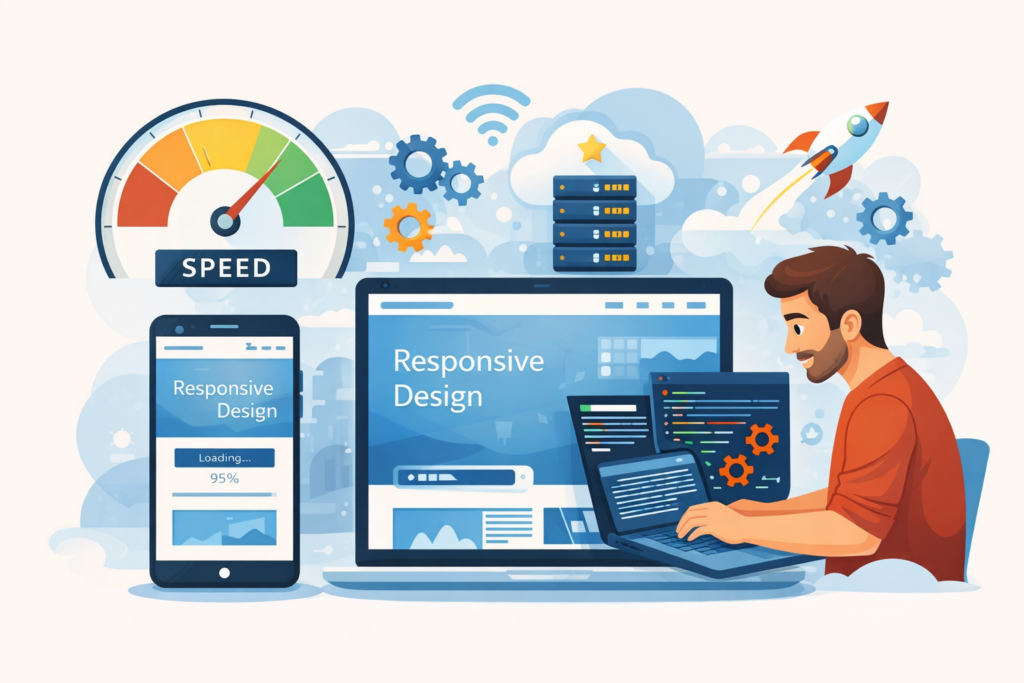
Nobody likes waiting for a slow page to load. Faster loading pages significantly reduce the number of people who leave your site out of frustration. Upgrading your site often means moving to better hosting and implementing code optimization, resulting in a snappy, responsive experience.
Strengthen Brand Identity
As your business grows, your branding often shifts. A redesign allows you to introduce updated colors, fonts, and a fresh visual identity. Aligning your website with your current branding ensures that your online presence matches your physical stores, packaging, and social media profiles.
Improve SEO and Search Rankings
Search engines reward well-structured websites. Building an SEO-friendly structure from the ground up helps search engine bots crawl your pages more effectively. Adding updated content and optimized pages gives you a better chance of ranking for the keywords your customers are searching for.
Signs That Show When to Redesign Your Website
You do not have to guess if your site needs an overhaul. Several clear indicators will tell you exactly when to redesign your website.
Your Website Looks Outdated
Design trends change rapidly. Old design styles, such as cluttered sidebars or outdated graphics, can make your business look unprofessional. Poor visuals and a messy layout can immediately drive potential customers away before they even read your content.
Your Website Is Not Mobile Responsive
Try opening your website on a smartphone. If you have to pinch and zoom to read the text, you have a problem. A site that is hard to use on phones or tablets is a massive red flag that a complete redesign is urgently needed.
Slow Website Loading Speed
Every second counts. Visitors leave slow websites quickly, often within three seconds or less. If your pages take too long to load, you are essentially handing your customers directly to your faster competitors.
Low Search Engine Rankings
If your site is buried on the fourth page of search results, you are practically invisible. Poor visibility in search results usually stems from outdated code, a lack of mobile optimization, or thin content. A redesign can fix these technical SEO issues.
High Bounce Rate or Low Conversions
Analytics can tell you a lot about user behavior. A high bounce rate means visitors leave without taking action. If people are visiting your site but not buying your products or filling out your contact forms, your current design is likely failing to engage them.
Difficult Website Management
Your website should work for you, not against you. If it is hard to update content or add new pages without breaking the layout, your backend system is outdated. A modern content management system will save your team countless hours of frustration.
How Often Should Websites Be Redesigned?
Understanding the typical timeframe for a redesign helps you plan your marketing budget effectively.
Industry Standard Redesign Timeline
A good rule of thumb is that most websites are redesigned every 2–3 years. This timeline allows you to gather enough data on user behavior while ensuring your technology does not become completely obsolete.
Technology Changes
The digital landscape moves quickly. New tools and design standards appear regularly. Browsers update their security requirements, and search engines change their algorithms. Redesigning keeps your site compatible with the latest web standards.
Changing Customer Expectations
Users expect faster and modern websites. What was considered a great user experience three years ago might feel clunky today. Regular updates ensure you meet the high standards of modern internet users.
Business Growth and New Services
Your company likely offers different products now than it did a few years ago. Websites must reflect new products or services accurately. A redesign allows you to restructure your navigation to highlight your most profitable offerings.
How Often Should I Redesign My Website? (Based on Business Type)
Different industries have different requirements. Here is a breakdown of how often you should update your site based on your specific business model.
Small Business Websites
Local service providers and small agencies can usually get away with a slightly longer lifespan. A full redesign is recommended every 2–3 years to keep the branding fresh and the contact forms functioning smoothly.
E-commerce Websites
Online stores rely entirely on their website to generate revenue. Because of this, they may need updates every 1–2 years. Shopping cart technology and payment gateways update frequently, and optimizing the checkout process is a continuous job.
Corporate or Service Websites
Large B2B companies and professional service firms need to maintain a highly professional appearance. These sites are usually redesigned every 3 years to ensure they align with current corporate branding and industry standards.
High-Traffic Websites
News portals, major blogs, and massive entertainment sites treat design differently. Instead of waiting years for a massive overhaul, they rely on continuous updates and improvements. They test small changes constantly to optimize ad revenue and user retention.
Benefits of Redesigning Your Website
Taking the time to rebuild your site offers incredible value. The return on investment can be substantial when the project is executed correctly.
Better User Engagement
A clean, modern interface encourages visitors to click around and read your content. When people enjoy using your site, they spend more time interacting with your brand.
Higher Conversion Rates
Clear call-to-action buttons and a streamlined checkout process remove friction. This directly leads to more leads, more phone calls, and higher overall sales.
Improved SEO Performance
Clean code, fast loading times, and mobile responsiveness are massive ranking factors. A new site built with modern SEO practices will naturally attract more organic traffic.
Stronger Brand Image
A beautiful website builds instant credibility. It shows potential customers that you are an active, modern company that cares about quality.
Better Security and Technology
Old websites are vulnerable to hacks and malware. A redesign moves you to secure platforms and updated plugins, keeping your business and your customers’ data safe.
Key Steps to Plan a Website Redesign

Jumping into a redesign without a plan is a recipe for disaster. Follow these steps to ensure the project provides actionable value.
Analyze Your Current Website
Look at your analytics. Find out which pages get the most traffic and which ones make users leave. Note what currently works well so you can keep those elements in the new design.
Identify Business Goals
Decide what you actually want the new site to achieve. Do you want more email subscribers? Higher online sales? Fewer customer service calls? Build the site around these specific goals.
Improve Website Structure
Plan out your new navigation menu before you start designing. Ensure that any user can find any piece of information in three clicks or less.
Optimize for SEO
Map out your keywords for each page. Write compelling meta descriptions and ensure your images have descriptive alt text.
Test Before Launch
Never launch a site without testing it thoroughly. Check all your forms, click every link, and make sure the site works flawlessly on multiple different web browsers and devices.
Common Website Redesign Mistakes to Avoid
A redesign is a large project, and it is easy to make errors. Keep this helpful section in mind to avoid disaster.
Ignoring SEO During Redesign
Many businesses build a beautiful site but forget about search engines. If you do not carry over your optimized content and meta tags, your organic traffic will completely crash after launch.
Changing URLs Without Redirects
If you change the web address of a page, you must tell search engines where it went. Failing to set up 301 redirects will result in broken links and a massive loss of search rankings.
Focusing Only on Design
A site can look like a masterpiece but still fail. If you focus entirely on aesthetics and ignore site speed, mobile usability, and clear messaging, your business will not grow.
Not Testing on Mobile Devices
Designing a site on a large desktop monitor can give you a false sense of security. Always test the final product on actual smartphones to ensure the buttons are clickable and the text is readable.
Time for a Change
A website redesign is a necessary investment for any growing business. We have explored the major reasons to do a redesign, from improving user experience and boosting site speed to strengthening your overall brand identity. We have also looked at the standard timelines, noting that most businesses should aim to update their sites every two to three years depending on their industry.
Take the time to review your website regularly. Look at your site through the eyes of a new customer. If it is slow, hard to navigate on a phone, or failing to generate leads, it is time to take action. Recognizing exactly when to redesign your website is the first step toward better online performance, stronger search rankings, and consistent business growth.
